
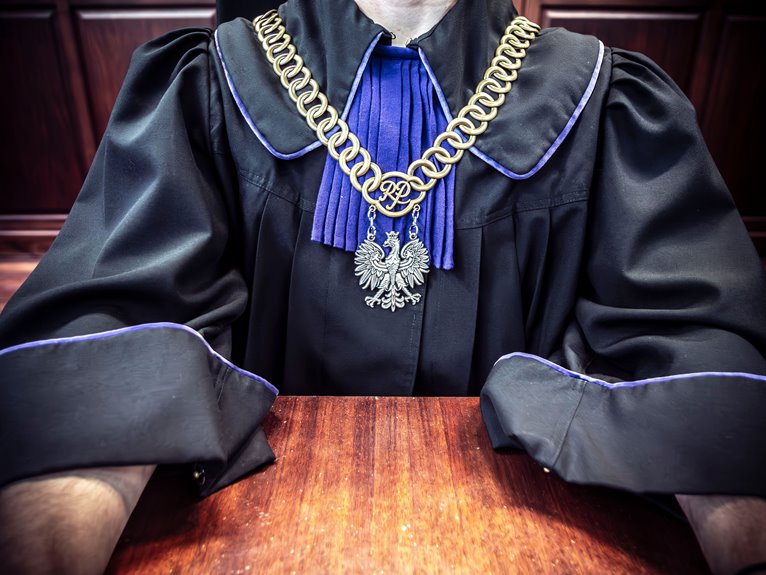
Your courtroom appearance speaks louder than words—it’s a silent statement that you respect the judge and the law itself. I’d recommend a well-fitted navy or charcoal suit with a crisp white shirt (think timeless, not trendy).
Women should opt for conservative pantsuits or knee-length dresses with closed-toe shoes. Skip the jewelry, keep grooming minimal, and make certain everything’s pressed—wrinkles undermine credibility instantly.
Judges form snap judgments within seconds, so your outfit matters significantly. The specifics of what separates courtroom success from courtroom missteps lie in attention to detail and appropriate presentation.
What Men Should Wear to Court: Suit, Tie, and Grooming Essentials
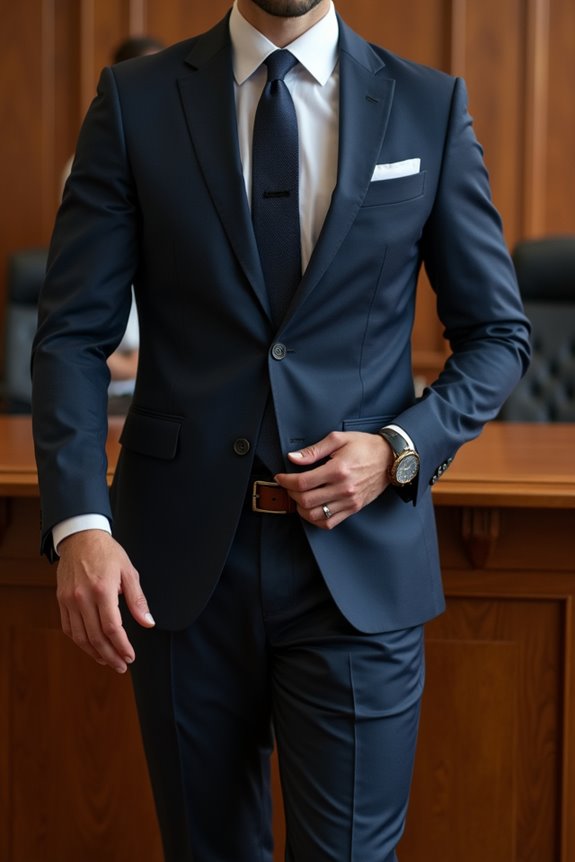
When you’re heading into a courtroom, your wardrobe isn’t really about fashion—it’s about speaking a language the legal system understands. I’d recommend selecting a well-fitted suit in navy, charcoal, or black, paired with a crisp white or light dress shirt and conservative tie. Your professional dress signals respect for the institution.
For courtroom attire, closed-toe dress shoes like oxfords matter more than you’d think. Keep everything pressed and wrinkle-free, as wrinkles undermine credibility faster than you’d expect. Maintain sharp grooming: trim facial hair or go clean-shaven, and get a tidy haircut.
Court respect hinges on restraint. Skip the flashy accessories; a simple belt and minimal jewelry suffice. These conservative colors and understated choices aren’t restrictions—they’re your competitive advantage, allowing the judge to focus on your case rather than your tie.
What Women Should Wear to Court: Pantsuits, Dresses, and Shoes
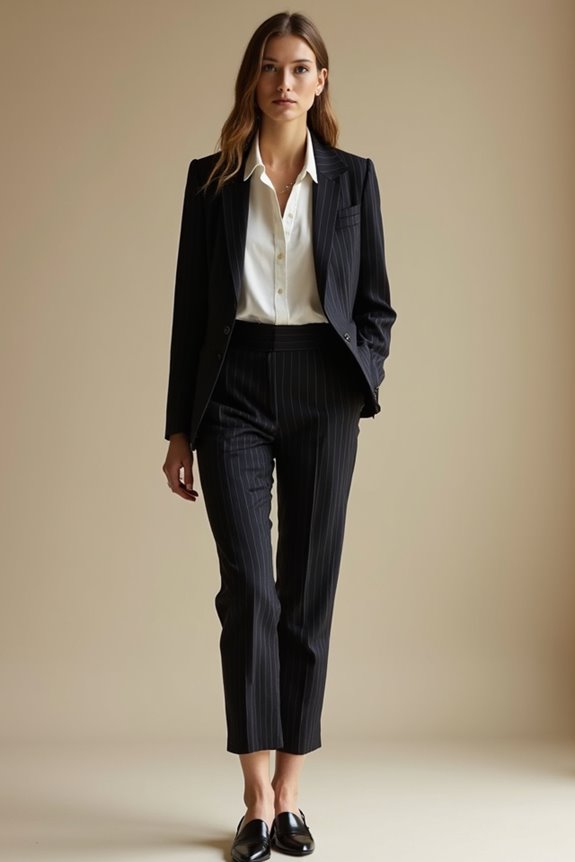
The same principles that govern men’s courtroom dress—respect, restraint, and credibility—apply equally to women, though the wardrobe options are broader. I’d recommend a conservative pantsuit in navy, black, or brown as your foundational professional attire. If you prefer a dress, keep it knee-length with modest necklines and covered shoulders—nothing that invites distraction from your case.
Your closed-toe shoes should be classic and refined, whether oxfords or similar dress styles. Accessories matter too; I keep mine minimal and understated because jewelry shouldn’t upstage your credibility. The same goes for makeup and hair—neat, groomed, and deliberate.
Your courtroom appearance signals that you take this space seriously. When you dress appropriately, judges and juries listen more carefully. That’s not coincidence; it’s psychology working in your favor.
Best Colors and Fabrics for Courtroom Credibility
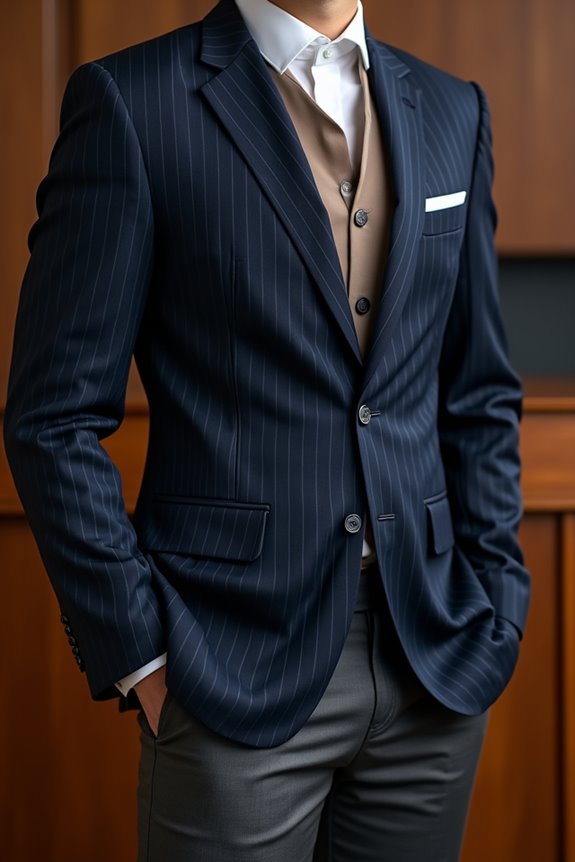
Why do neutral colors command respect in the courtroom while bright hues whisper distraction? Because I’ve learned that navy blue, gray, and black aren’t boring—they’re strategically invisible, letting your credibility shine instead. When you choose conservative fabrics like wool or cotton blends, you’re signaling that you take this seriously (and that you iron things).
Your professional appearance hinges on these choices. Fitted clothing—not tight, not baggy—demonstrates self-respect and attention to detail. I’d argue that minimal accessories serve a purpose beyond aesthetics; they eliminate the jangling distraction of oversized jewelry or loud patterns.
Court attire isn’t about fashion statements. It’s about establishing credibility through restraint. You’re here for business, which is exactly what judges want to see.
What Not to Wear: 10 Common Courtroom Mistakes
How quickly does a single wardrobe choice undermine everything you’ve worked toward in the courtroom?
How quickly does a single wardrobe choice undermine everything you’ve worked toward in the courtroom?
I’ve watched capable professionals stumble over basic courtroom attire mistakes. Avoid casual wear—jeans, T-shirts, and sneakers signal you’re not serious about the proceedings. Skip open-toe shoes; they scream unprepared. That graphic tee with the bold logo? It screams louder. Your professional dress communicates respect before you speak.
Conservative clothing matters tremendously. Don’t expose excessive skin through sleeveless tops or plunging necklines. Wrinkled or see-through fabrics undermine credibility instantly. Visible tattoos can distract judges (fair or not, it’s reality).
Your dress code isn’t arbitrary—it’s institutional armor. Appropriate footwear, subdued patterns, and covered skin aren’t restrictions; they’re your entrance fee to being taken seriously. Master these basics, and you’ve already won half the battle.
Accessories, Jewelry, and Grooming: Keep the Focus on Your Case
I’ve learned that what you wear to court extends beyond your suit jacket—your accessories, jewelry, and grooming choices either reinforce credibility or inadvertently distract the judge and jury from your case (and a jingling bracelet won’t help your argument). You’ll want to embrace minimalist jewelry guidelines and keep your grooming neat and natural, since subtle presentation signals respect for the courtroom’s gravity while louder choices suggest you’re more interested in being noticed than being heard. The core principle I’ve found through observation: every element of your appearance should whisper rather than shout, letting your case claim center stage instead.
Minimalist Jewelry Guidelines
When you’re standing before a judge, your accessories shouldn’t be—that’s the golden rule. I’ve learned that minimalist jewelry keeps the courtroom’s attention where it belongs: on your case, not your wrists.
| Accessory Type | Recommended | Avoid |
|---|---|---|
| Earrings | Small studs | Dangling, loud pieces |
| Necklace | Subtle pendant | Statement chains |
| Rings/Bracelets | Plain, single piece | Multiple, flashy items |
Your professional appearance hinges on court etiquette that whispers rather than shouts. I recommend stud earrings, a delicate necklace, and one understated ring—pieces that complement rather than compete. This distraction-free approach respects the courtroom’s gravity while maintaining your dignity.
Pair neutral accessories with natural grooming: understated makeup, neutral nail polish, covered tattoos. You’re not sacrificing style; you’re demonstrating respect through restraint. That’s courtroom dress code done right.
Grooming Standards for Credibility
What’s the real secret to courtroom credibility? Your grooming standards speak louder than you’d think. I’ve learned that a polished appearance directly impacts how judges and juries perceive your professionalism—it’s not vanity; it’s strategy.
You’ll want natural makeup, neutral nail colors, and impeccable facial hair grooming. These conservative dress choices, paired with meticulous personal hygiene, establish trustworthiness before you speak. Your courtroom appearance communicates respect for the proceedings and, frankly, respect for those evaluating your case.
I’d argue that attire combined with grooming standards creates an invisible credibility advantage. Wrinkle-free clothing, neatly trimmed details, and understated presentation keep focus where it belongs—on substantive arguments, not distracting grooming choices. You’re communicating through your presentation: “I take this seriously, and you should too.”
Accessory Choices and Distraction
Now that you’ve established your grooming foundation, it’s time to reflect on what you’re wearing *on* yourself—the accessories that either support your credibility or undermine it entirely. I’ve watched cases shift based on something as simple as jingling bracelets or oversized rings. Your courtroom attire demands minimal jewelry: a watch, perhaps a wedding band, nothing more. Avoid anything that catches light or makes noise during proceedings. Cover visible tattoos when possible—courts still regard them skeptically, fairly or not. Skip the statement necklaces and dangling earrings; they’re distractions you can’t afford. Neutral nail polish keeps focus where it belongs: on your testimony, not your appearance. Remember, conservative grooming and restrained accessories aren’t about suppression—they’re about strategic silence, letting your case speak louder than any accessory ever could.
Court Outfit Checklist: Shoes, Fabrics, and Final Details
How much attention should you really pay to your shoes when you’re walking into a courtroom? More than you’d think. Your footwear sets the tone for your entire court attire presentation. I’d recommend closed-toe, shoes in conservative colors—black or dark brown work perfectly. They’re your foundation for maintaining a professional appearance.
Beyond shoes, fabric selection matters. You’ll want wrinkle-resistant, breathable materials that won’t betray you under courtroom lighting. Non-transparent fabrics keep the focus on your credibility, not your clothing. Think quality cotton blends or wool—fabrics that survive the day looking sharp.
Finally, consider tailoring. A modest fit demonstrates respect for the space. Conservative colors throughout your outfit create visual harmony, letting your credibility shine rather than your wardrobe choices. These details collectively signal you belong there.
Dress Appropriately for Your Religion and Culture
Your courtroom outfit shouldn’t require you to abandon your faith or cultural identity—though I’ll admit, threading that needle takes some forethought. I’ve found that conservative attire honoring your background communicates respect without compromise. Religious attire like headscarves, turbans, or modest robes absolutely work within court dress codes when you prioritize professionalism and cultural sensitivity.
The key? Balance. Choose garments reflecting your tradition while maintaining the understated elegance courts expect. Cover prominently symbolic jewelry or accessories that might distract from your testimony. Your appropriate presentation demonstrates you’re serious about the proceedings.
Before your hearing, I’d strongly recommend consulting your attorney about jurisdiction-specific guidelines. What’s acceptable in one courthouse might raise eyebrows elsewhere. This conversation prevents surprises and allows your cultural expression to complement rather than complicate your case. Your authenticity matters—just plan accordingly.
First Impressions Matter: How Your Appearance Affects Credibility
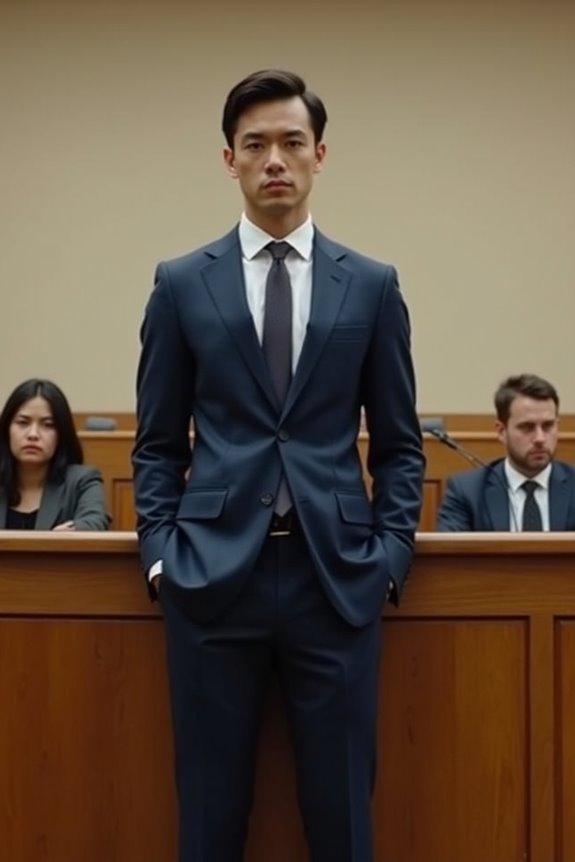
Whether we’d like to admit it or not, judges form snap judgments about credibility the moment you walk into the courtroom—and evidence consistently shows that appearance plays an outsized role in those initial assessments. I’ve learned that conservative colors like navy, black, and gray aren’t boring choices; they’re strategic investments in how others perceive your case’s legitimacy. Your courtroom attire signals respect for the legal process itself. Well-fitted, wrinkle-free clothing with minimal accessories communicates that you’ve prepared thoroughly—that you take this seriously. Professional dress conveys trustworthiness before you’ve spoken a single word. Grooming and appropriate clothing covering shoulders and knees align with courtroom expectations, keeping focus where it belongs: on your case, not your outfit. First impressions matter here.
Courtroom Behavior: What to Do Once You’re Dressed Appropriately
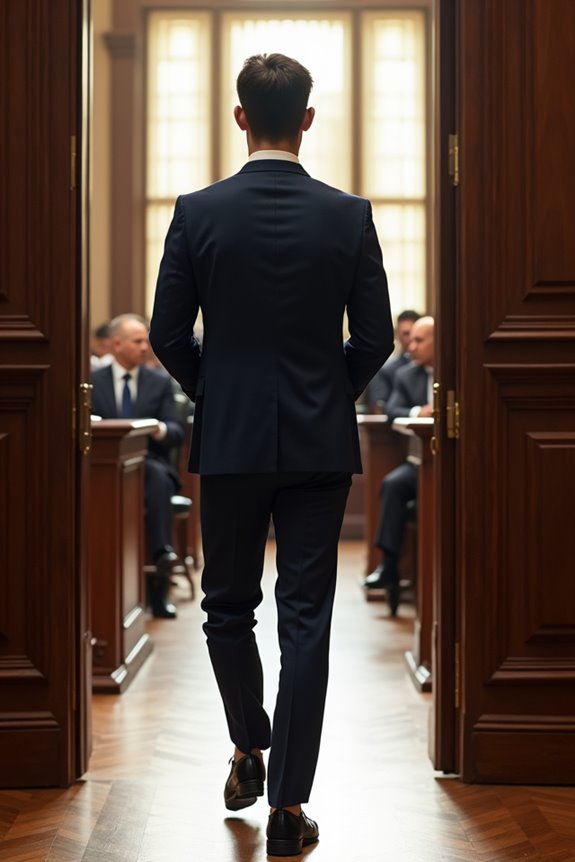
Once you’ve dressed the part, your actual behavior in the courtroom matters just as much—if not more—than your pressed suit or polished shoes. You’ll want to master the basics: standing when the judge enters, addressing them as “Your Honor,” and keeping gum and coffee out of sight (yes, even that innocent latte can undermine your credibility). Think of courtroom decorum as a continuation of your first impression, because judges notice whether you maintain composure during rulings or lose it when things don’t go your way.
Respect and Decorum Standards
Now that you’ve dressed appropriately, the real work begins—because looking professional means nothing if you’re checking your phone or muttering commentary during testimony. Courtroom decorum extends beyond conservative attire; it’s about demonstrating respect through your actions. Stand when the judge enters, address them as “Your Honor,” and maintain composure throughout proceedings. Your professional image hinges on restraint—gum, food, and side conversations undermine the respect you’ve cultivated through dressing professionally.
| Behavior | Impact |
|---|---|
| Standing for the judge | Shows respect |
| Silencing devices | Demonstrates focus |
| Maintaining eye contact | Projects confidence |
| Avoiding fidgeting | Conveys composure |
| Keeping quiet | Respects the process |
After rulings conclude, your court appearance continues to matter. Exit gracefully, thank staff, and remember: courtroom decorum isn’t performative—it’s foundational to how justice operates.
Courtroom Conduct Guidelines
Looking sharp in the courtroom’s visual surroundings is only half the battle—what you *do* once you’re seated matters just as much as what you’re wearing. Your professional appearance sets expectations, but your conduct seals the deal. I’ve learned that court etiquette demands you arrive early, stand respectfully when the judge enters, and address them as “Your Honor.” Remove gum and drinks before entering—seriously, nobody needs that distraction. Throughout proceedings, maintain decorum by avoiding arguments, personal attacks, or interruptions. Your courtroom attire and behavior work together, creating an impact that subtly influences how judges and juries perceive your case. Conservatism in both dress code and deportment signals you take this seriously. When you embody these standards, you’re not just following rules; you’re demonstrating respect for the institution itself.
Beyond Dress Code: Security, Evidence, and Etiquette Basics
What happens when you show up to court dressed impeccably but can’t get past security? You’ve missed the bigger picture. Beyond courtroom attire and dress code fundamentals, you’ll encounter security checks, metal detectors, and cooperation requirements that gate your entry entirely. I’ve learned that professional appearance means nothing if weapons or prohibited items derail your journey inside.
| Prohibited Items | Consequence |
|---|---|
| Weapons | Immediate denial |
| Recording devices | Confiscation |
| Food/beverages | Removal from courtroom |
| Loud patterns | Contempt risk |
| Uncooperative behavior | Fines or jail |
Your conservative dress and courtroom etiquette matter, certainly, but entry denial stems from security violations first. Think of security checks as the gatekeepers protecting everyone’s right to justice. Respecting these protocols demonstrates genuine regard for the institution itself—not just appearances.